

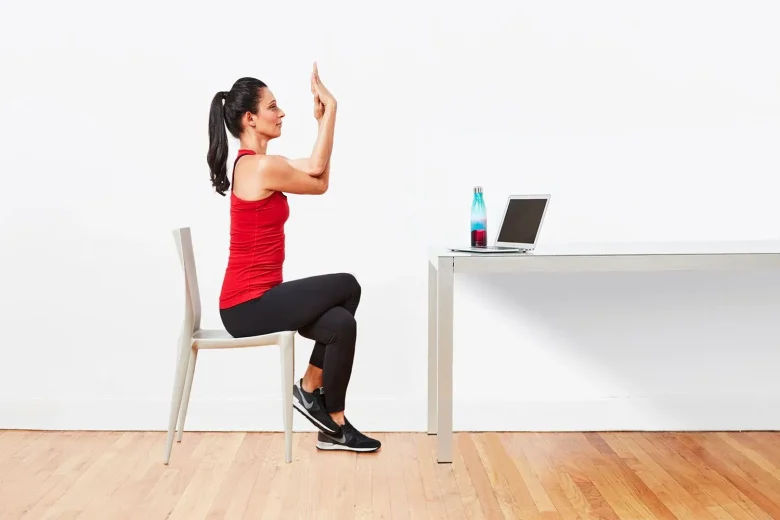
In today’s digital workforce, prolonged sitting has become the new norm, often leading to fatigue, stiffness, and long-term health issues. While office ergonomics have improved, one often overlooked solution lies in movement—specifically, chair yoga. This seated practice offers a practical and effective way for professionals to refresh both body and mind without leaving their workstations.
From tight shoulders to mental burnout, chair yoga addresses multiple concerns with simple, discreet movements. With rising awareness about employee wellbeing, many are turning to this gentle yet impactful routine to break the cycle of physical and mental stress during the workday.
Understanding Desk Fatigue and Its Impact
Office workers often experience chronic desk fatigue caused by:
-
Poor posture from hunching over screens
-
Reduced blood circulation due to prolonged sitting
-
Stiff joints and backaches from lack of mobility
-
Mental burnout triggered by continuous screen exposure and pressure
These symptoms not only reduce productivity but also contribute to long-term musculoskeletal and cardiovascular problems. Small interventions, such as chair yoga, create a proactive approach to counteract these effects.
Why Chair Yoga Works in the Workplace
Chair yoga fits seamlessly into an office routine for several reasons:
-
No need to change clothes – poses are designed to be done in office attire
-
Minimal space required – all movements are performed seated or standing next to a chair
-
Time-efficient – a full sequence can be done in 10–15 minutes
-
Discreet and non-disruptive – perfect for an open office environment
Unlike traditional yoga sessions that may require mats and studio time, chair yoga can be woven into daily schedules without much disruption.
Foundational Chair Yoga Poses for Office Workers
The following poses are ideal for beginners and can be practised between meetings, during lunch breaks, or after long typing sessions.
Neck and Shoulder Rolls
Loosening the neck and shoulders improves posture and reduces tech-neck stiffness.
-
Sit upright with hands on your thighs
-
Gently roll your shoulders backward and forward
-
Slowly drop one ear towards the shoulder and roll your head across to the other side
-
Breathe deeply with each movement
Seated Twist
Twisting the spine re-energises the back and improves digestion.
-
Place both feet flat on the ground
-
Inhale, lengthen your spine
-
Exhale, twist to the right, holding the chair backrest for support
-
Hold for 3–5 breaths, then switch sides
Wrist and Finger Stretches
Great for relieving tension from typing and mouse use.
-
Extend your arms forward
-
Gently pull back on your fingers with your opposite hand
-
Rotate wrists clockwise and anti-clockwise
-
Shake out your hands to release tension
Seated Forward Bend
This pose stretches the back and calms the nervous system.
-
Place feet flat and hip-width apart
-
Inhale deeply, then exhale as you fold forward from the hips
-
Let your arms hang or rest on your thighs
-
Breathe slowly and rise up gently
Chair Pigeon Pose
Opens tight hips and improves lower body circulation.
-
Sit tall and place your right ankle over your left thigh
-
Keep your foot flexed to protect the knee
-
Gently lean forward to increase the stretch
-
Hold for 5 breaths and switch sides
The Mental Health Benefits of Mid-Day Movement
Beyond physical relief, chair yoga offers powerful mental health support:
-
Reduces anxiety and tension through conscious breathwork
-
Boosts focus by shifting attention from stress to sensation
-
Improves mood and morale, especially during high-pressure deadlines
-
Encourages mindfulness, creating clarity and calm
These small windows of movement anchor individuals into the present moment, allowing for improved decision-making and emotional regulation.
Incorporating Chair Yoga into Your Work Routine
Creating consistency is key. Here are simple ways to make chair yoga a part of your workday:
-
Set reminders every 2 hours for a 5-minute stretch
-
Pair with meetings – begin internal video calls with a 2-minute breathing exercise
-
Use break time wisely – dedicate part of your lunch to a longer chair yoga flow
-
Introduce it to your team – group sessions increase engagement and accountability
Employers can also invite professionals from Yoga Edition to lead corporate sessions or offer short videos accessible to all staff members.
Real-Life Scenario: How One Office Used Chair Yoga to Reduce Absenteeism
A mid-sized marketing firm in Singapore implemented daily chair yoga as part of their wellness initiative. Over six months, HR noted a drop in absenteeism linked to physical ailments, such as back pain and headaches. Employees also reported improved mental clarity, citing the 15-minute mid-morning sessions as “mental resets” that improved creativity and mood.
Practical Tips to Maximise Chair Yoga Benefits at Work
-
Keep a straight-backed chair with no wheels for stability
-
Wear breathable office attire to support free movement
-
Focus on your breath – it’s more important than the stretch
-
Close your eyes occasionally to centre attention inward
-
Be patient – benefits compound over time
Can Chair Yoga Replace a Workout?
Chair yoga is not a replacement for full-body workouts or cardio sessions. However, it acts as a complementary tool that:
-
Keeps joints mobile
-
Supports spinal alignment
-
Encourages consistent movement
-
Prevents injury from sedentary strain
It’s especially useful on days when you’re too busy for the gym or need low-impact movement.
Frequently Asked Questions
Q. I work in a fast-paced corporate setting. Will chair yoga actually help me stay calm?
A. Yes. Even a short 5-minute breathing-focused sequence can regulate your nervous system. It doesn’t need to be long. The consistency of small breaks throughout the day has proven benefits in reducing workplace anxiety and improving mental resilience.
Q. Can I do chair yoga with a wheeled office chair?
A. It’s better to use a stationary chair. If that’s not possible, lock the wheels or place the chair on a non-slip mat to ensure safety during movements, especially twists or forward bends.
Q. What time of day is best for chair yoga?
A. Mid-morning and mid-afternoon are ideal, especially when energy levels dip. Some office workers also find a short session after lunch helps avoid the afternoon slump.
Q. Will my colleagues notice or find it awkward?
A. Chair yoga is designed to be discreet. Movements are subtle and can be done without attracting attention. In fact, many companies encourage wellness activities, so you might inspire others to join.
Q. Do I need to be flexible to begin chair yoga?
A. Not at all. Chair yoga is beginner-friendly and focuses more on mobility, breathing, and posture than flexibility. Anyone can start regardless of fitness level.