

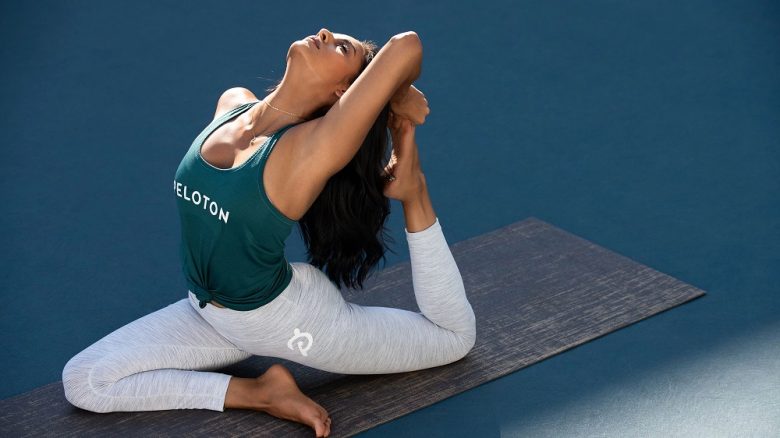
Modern daily life places unique physical strains on the human body. Extended hours spent sitting at desks, looking down at mobile devices, and engaging in repetitive daily tasks often lead to muscular imbalances, joint stiffness, and chronic postural stress. Over time, these minor physical compensations aggregate, leading to joint degradation, limited mobility, and elevated injury risk. Maintaining physical vitality and movement freedom into later decades requires a proactive approach to movement quality.
Integrating structured yoga and dedicated stretching routines into your weekly regimen offers a scientifically proven method for protecting physical health. Beyond merely increasing flexibility, mind-body movement practices enhance joint mobility, strengthen deep postural muscles, improve circulation, and calm the nervous system. By understanding the underlying mechanics of flexibility and committing to sustainable movement routines, individuals can build a resilient body capable of supporting lifelong physical wellness.
Understanding the Difference Between Flexibility and Mobility
Before establishing an effective stretching or yoga routine, it is essential to distinguish between two foundational movement concepts that are often conflated: flexibility and mobility.
Defining Muscle Flexibility
Flexibility refers to the passive ability of a muscle or muscle group to lengthen temporarily through a range of motion. For example, sitting on the floor and reaching toward your toes relies primarily on the passive flexibility of your hamstrings and lower back muscles. While passive flexibility is valuable, it does not automatically translate into functional strength or joint protection if you lack muscle control at those end ranges.
Defining Joint Mobility
Mobility is the active ability of a joint to move through its complete range of motion with control and stability. Mobility requires a combination of passive flexibility and muscle strength at end-range positions. For instance, lifting your leg high into the air using your own hip flexor and abdominal strength demonstrates hip mobility. Long-term physical wellness depends heavily on building active mobility, as controlled joints are far less prone to acute strains, sprains, and wear-and-tear degeneration.
The Neurological and Physiological Benefits of Stretching
Stretching does not simply pull on muscles like elastic bands; it communicates directly with your central nervous system to alter muscle tone and movement perception.
Nervous System Modulation and the Stretch Reflex
When a muscle is stretched quickly or beyond its comfortable limit, sensory receptors within the muscle tissue known as muscle spindles trigger a protective contraction called the stretch reflex. This automatic mechanism prevents the muscle from tearing. Regular, gentle static stretching trains the nervous system to increase its tolerance to muscle length, safely dampening the stretch reflex over time and allowing the muscle to relax into deeper ranges.
Enhancing Joint Health and Synovial Fluid Production
Joints do not possess a direct blood supply; instead, they rely on movement to receive oxygen and vital nutrients. Moving joints through complete ranges of motion during yoga and stretching compresses and decompresses joint cartilage, acting like a sponge. This mechanical action stimulates the production of synovial fluid, a natural lubricant that reduces friction, cushions cartilage, and removes metabolic waste products from the joint capsule.
Supporting Vascular Circulation and Nervous System Recovery
Sustained stretching and deep conscious breathing stimulate the parasympathetic nervous system, commonly known as the rest-and-digest mode. This neurological shift lowers heart rate, reduces circulating stress hormones like cortisol, and dilates blood vessels. Improved peripheral circulation delivers oxygenated blood and essential nutrients to recovering tissues, reducing systemic muscle tension and enhancing daily recovery.
Foundational Yoga Practices for Structural Balance
Yoga offers a comprehensive system for building holistic physical wellness, combining isometric strength, dynamic flexibility, balance, and breath control. Different styles of yoga serve distinct physical objectives.
Vinyasa Flow for Dynamic Mobility and Stamina
Vinyasa yoga links breath with continuous movement, transitioning smoothly between poses. This dynamic style elevates heart rate, builds heat within muscle tissue, and strengthens full-body movement patterns.
- Key Movements: Sun Salutations, moving through Downward-Facing Dog, Plank Pose, and Upward-Facing Dog, build upper-body strength and lengthen the entire posterior chain.
- Wellness Benefits: Enhances cardiovascular endurance, improves dynamic balance, and lubricates major joints through continuous movement transitions.
Hatha Yoga for Alignment and Strength
Hatha yoga focuses on static pose holds and precise structural alignment. Holding poses for extended periods challenges postural muscles, builds mental discipline, and fosters body awareness.
- Key Movements: Standing poses like Warrior I, Warrior II, and Triangle Pose strengthen the lower body, open tightly bound hips, and stabilize the core.
- Wellness Benefits: Reinforces proper spinal alignment, strengthens stabilizing muscles around the knees and ankles, and increases muscular endurance.
Yin Yoga for Deep Connective Tissue Health
Yin yoga is a slow-paced, passive practice where poses are held for three to five minutes or longer. By relaxing the surrounding muscles, the stretch load transfers deeper into dense connective tissues, including fascia, ligaments, and joint capsules.
- Key Movements: Seated forward folds, Butterfly Pose, and Dragon Pose target the hips, pelvis, and lower spine.
- Wellness Benefits: Improves long-term joint space, hydraties fascial networks, and cultivates deep mental relaxation.
Essential Daily Stretching Routines for Postural Health
Incorporating short, targeted stretching sequences into your daily schedule combats the negative physical effects of prolonged sitting and repetitive daily posture.
The Morning Energy and Mobility Sequence
Performing gentle movement upon waking increases body temperature, lubricates stiff joints, and prepares the musculoskeletal system for daily demands.
- Cat-Cow Stretch: On hands and knees, alternate between arching and rounding the spine to mobilize vertebrae and release back tension.
- Downward-Facing Dog: Press hips up and back to stretch hamstrings, calves, and shoulders while lengthening the spine.
- Low Lunge with Chest Opener: Step one foot forward into a lunge to stretch the rear hip flexor while opening the chest toward the sky to counteract slouching.
The Evening Decompression Sequence
A relaxing evening routine relieves physical tension accumulated throughout the workday, promoting deeper, more restorative sleep.
- Pigeon Pose: A deep hip opener that targets the glutes, piriformis, and hip rotators, helping relieve lower back pressure.
- Seated Spinal Twist: Gently twisting the torso while seated neutralizes the spine, releases mid-back tightness, and aids digestive motility.
- Legs-Up-the-Wall Pose: Resting with your back on the floor and legs extended vertically against a wall facilitates venous blood return to the heart, soothing tired legs and calming the nervous system.
Safe Stretching Guidelines to Prevent Injury
While stretching and yoga are safe practices, improper technique or overexertion can cause muscle strains and ligament laxity. Following core safety principles protects your joints and ensures steady progress.
- Warm Up Before Deep Static Stretching: Never stretch cold muscles intensely. Raise your core body temperature with light dynamic movements like walking, arm circles, or light bodyweight squats before attempting deep holds.
- Respect Pain Signals: Stretching should produce a mild, satisfying sensation of tension within the muscle belly, never sharp, pinching, or burning pain near joint structures. Pain indicates a risk of tissue damage.
- Breathe Rhythmically: Avoid holding your breath during deep stretches. Deep, slow nasal breathing encourages muscle relaxation by signaling safety to your nervous system.
- Maintain Joint Alignment: Protect vulnerable joints like the knees and lower spine by keeping them properly aligned during postures, avoiding twisting or forcing joints beyond their natural mechanics.
Frequently Asked Questions
How often should I practice yoga or stretching to see long-term results?
For optimal results, engage in light stretching or movement every day for five to ten minutes. For structured yoga practices, aiming for two to four sessions per week provides a balanced combination of flexibility, strength, and recovery without causing excessive fatigue.
Is it better to stretch before or after a workout?
Perform dynamic stretching before workouts, which involves active movements like leg swings and torso twists to prepare muscles and warm up joints. Save deep static stretching, where poses are held for thirty seconds or longer, for after your workout when muscles are warm and receptive to lengthening.
Can yoga and stretching relieve chronic lower back pain?
Yes, gentle yoga and targeted stretching frequently alleviate lower back discomfort caused by muscle tightness and poor posture. Stretching tight hip flexors, hamstrings, and glutes reduces mechanical pull on the lumbar spine, while gentle core-strengthening poses provide structural support for the lower back.
What should I do if I am exceptionally inflexible and cannot reach my toes?
Inflexibility is the primary reason to start a stretching routine, not a barrier to entry. Utilize supportive props such as yoga blocks, foam wedges, and yoga straps to bring the floor closer to you, allowing you to maintain proper spinal form while gradually developing flexibility over time.
How long does it take to notice permanent improvements in flexibility?
Consistency is key when altering muscle length and nervous system tolerance. While immediate relief and relaxation occur after a single session, lasting structural changes in muscle flexibility and joint mobility typically take four to eight weeks of regular, weekly practice.
Can stretching replace traditional strength training or cardio exercises?
While yoga builds functional isometric strength and specific styles offer light cardiovascular benefits, stretching and yoga should complement rather than fully replace dedicated strength and aerobic conditioning. Combining strength training, cardiovascular exercise, and mobility work creates a complete fitness foundation.
Is it normal for muscles to shake during deep yoga holds?
Mild muscle shaking during challenging yoga poses is a normal response as motor units fatigue and your nervous system adapts to balancing and supporting your body weight in new positions. If shaking becomes violent or is accompanied by joint pain, back out of the pose slightly and focus on steady breathing.