

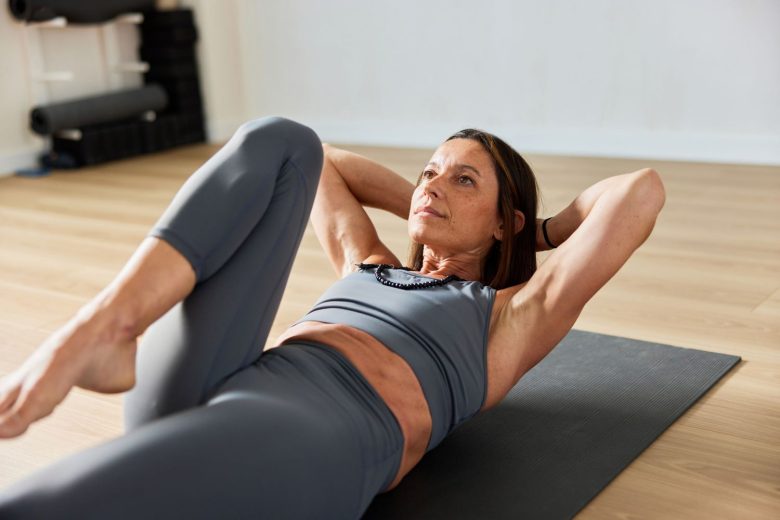
Introduction: Exercises as the Architecture of Vitality
In a world increasingly dominated by screens, sedentary routines, and digital conveniences, the value of physical movement has never been more significant. Exercise is not merely a method for sculpting the body—it is a cornerstone of holistic wellness, a dynamic dialogue between physical strength, mental clarity, and emotional resilience. When approached thoughtfully, exercises serve as the framework for a more vibrant, focused, and empowered life. This isn’t about grueling gym sessions or fleeting fads; it’s about cultivating a lifestyle rooted in intelligent, intentional movement.
The Purpose of Exercise: Function Over Fashion
The primary aim of exercise goes far beyond aesthetics. While physical appearance may improve as a result of consistent training, the deeper benefits lie in function, health, and longevity.
Core benefits of regular exercise include:
-
Enhanced cardiovascular health
-
Improved metabolic function and weight regulation
-
Stronger bones, joints, and muscles
-
Better posture and mobility
-
Heightened mood and reduced stress
-
Sharper cognitive function and memory
-
A longer, more independent life
When one shifts the focus from looking better to feeling and performing better, exercise becomes not a task but a privilege.
Types of Exercises: A Well-Rounded Routine
A balanced exercise regimen integrates multiple forms of movement, each targeting different aspects of physical fitness. To optimize results and prevent burnout or injury, it’s essential to mix these various types strategically.
1. Cardiovascular (Aerobic) Exercises
These exercises elevate the heart rate and improve the efficiency of the heart and lungs.
Common forms include:
-
Brisk walking or jogging
-
Cycling, swimming, or rowing
-
Dance, aerobics, or jump rope
-
High-Intensity Interval Training (HIIT)
Key benefits:
-
Boosts endurance and energy levels
-
Supports weight management
-
Enhances circulation and oxygen delivery
-
Improves mood through endorphin release
2. Strength (Resistance) Training
Strength training helps build lean muscle mass, protect joints, and increase bone density.
Effective methods include:
-
Free weights (dumbbells, barbells)
-
Resistance bands
-
Bodyweight movements (push-ups, squats, lunges)
-
Machines and cable systems
Key benefits:
-
Increases metabolic rate
-
Strengthens posture and core stability
-
Prevents muscle atrophy and osteoporosis
-
Aids in injury prevention
3. Flexibility and Mobility Exercises
Flexibility training improves range of motion, while mobility enhances the quality of movement across joints.
Popular approaches:
-
Static and dynamic stretching
-
Yoga or Pilates
-
Foam rolling and myofascial release
Key benefits:
-
Reduces risk of injury
-
Promotes recovery and muscle relaxation
-
Improves functional movement and coordination
-
Eases chronic pain and stiffness
4. Balance and Stability Training
Often underemphasized, these exercises enhance neuromuscular control, coordination, and injury resilience.
Examples include:
-
Single-leg movements (balances, deadlifts)
-
Stability ball or BOSU ball exercises
-
Tai Chi or controlled bodyweight drills
Key benefits:
-
Essential for athletic performance and everyday movements
-
Prevents falls, especially in older adults
-
Improves core engagement and spatial awareness
Crafting a Personalized Exercise Routine
Fitness is not one-size-fits-all. The most effective exercise plan is the one that aligns with your goals, body type, lifestyle, and preferences. A thoughtful structure should include:
-
Frequency: Aim for at least 150 minutes of moderate aerobic activity or 75 minutes of vigorous activity per week, along with two strength-training sessions
-
Variety: Include all forms—cardio, strength, flexibility, and balance—to ensure a balanced physique and well-rounded health
-
Progression: Gradually increase intensity, resistance, or duration to challenge your body without risking injury
-
Recovery: Build in rest days and active recovery to allow muscles to rebuild and adapt
Beginner Tips for Starting an Exercise Journey
For those new to regular movement or returning after a long break, starting gently is key.
-
Begin with low-impact activities like walking, swimming, or yoga
-
Focus on form over intensity to build a strong foundation
-
Set realistic, achievable goals to track progress and stay motivated
-
Invest in proper footwear and, if needed, consult a certified trainer
-
Listen to your body—pain is not a badge of honor
The Mind-Body Connection: Exercise as Emotional Alchemy
Physical movement does more than transform the body—it profoundly affects the mind.
-
Exercise reduces cortisol, the stress hormone, and boosts serotonin and dopamine, the body’s natural mood elevators
-
It fosters better sleep, sharper focus, and enhanced creativity
-
Practices like mindful walking, tai chi, or yoga integrate breathwork, awareness, and flow, nurturing both mental and physical harmony
The regular ritual of movement creates a sense of rhythm, discipline, and self-respect. In a world of mental clutter, exercise becomes a form of moving meditation.
The Importance of Recovery and Sleep
Overtraining is a silent saboteur. True progress stems not from relentless output, but from a delicate balance between effort and rest.
Best recovery practices:
-
Ensure 7–9 hours of quality sleep per night
-
Incorporate rest days or light activities like stretching and walking
-
Hydrate well and nourish your body with whole, balanced meals
-
Use modalities like stretching, cold therapy, or massage to accelerate healing
Exercise Through the Ages: Adapting with Grace
Your approach to exercise should evolve with age and life stages.
-
In youth and early adulthood: Emphasize building strength, cardiovascular capacity, and flexibility
-
In middle age: Focus on injury prevention, mobility, and endurance
-
In later years: Prioritize balance, light resistance training, and low-impact movements to maintain independence
Movement should be a lifelong companion—not a phase, but a fluid and evolving partnership.
Conclusion: Exercise as a Daily Investment in Self
Exercise is not a punishment or obligation—it is an act of reverence for the body, a daily affirmation of vitality, and a lifelong investment in freedom and resilience. When viewed through this lens, it becomes less about perfection and more about progress. The true reward lies not only in how we look, but in how we move, think, and feel. Whether it’s a graceful yoga flow at sunrise, a quiet evening walk, or a focused gym session, every form of movement is a celebration of what your body can do. In mastering exercises, we are ultimately mastering the art of living well.