

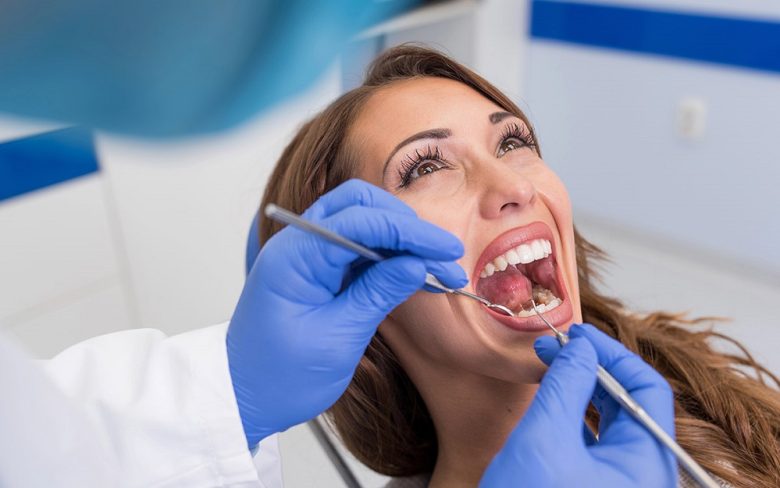
When most people schedule a visit to the dentist, they focus primarily on preventing cavities, whitening their smile, or addressing tooth sensitivity. However, maintaining strong, healthy teeth is impossible without preserving the foundation that supports them: the gums and underlying periodontal bone structure. Gum disease, medically known as periodontal disease, is one of the most common chronic health conditions globally. If left untreated, it can lead to severe tissue damage, bone loss, and ultimate tooth loss.
Fortunately, periodontal disease is largely preventable and, in its earliest stages, completely reversible. Dentists and dental hygienists play a central role in protecting oral health, serving as the first line of defense against gum infection. Through thorough clinical evaluations, professional hygiene treatments, personalized patient education, and advanced therapies, dental professionals keep periodontal disease at bay and safeguard long-term health.
Understanding Periodontal Disease and Its Progression
To appreciate the essential preventive role of a dentist, one must first understand how gum disease develops and progresses within the mouth. Gum disease is a bacterial infection caused by the continuous buildup of dental plaque—a sticky, colorless film of bacteria that forms on teeth after eating and drinking.
Gingivitis: The Early, Reversible Stage
When plaque is not thoroughly removed through daily brushing and flossing, the bacteria irritate the surrounding soft tissues, triggering an inflammatory response. This initial phase of infection is known as gingivitis.
- Symptoms: Redness, mild swelling, tenderness, and bleeding during routine brushing or flossing.
- Reversibility: At this stage, the bacterial infection affects only the soft tissue. The underlying bone remains intact, meaning gingivitis can be reversed entirely with professional cleaning and diligent home care.
Periodontitis: The Advanced, Destructive Stage
If gingivitis is ignored, the persistent inflammation causes the gums to pull away from the teeth, creating small spaces called periodontal pockets. Bacterial plaque migrates deep into these pockets, beyond the reach of a standard toothbrush. Over time, the immune system’s reaction to the growing infection, combined with bacterial toxins, breaks down the connective tissue and alveolar bone supporting the teeth.
- Symptoms: Persistent bad breath, gum recession, pus formation along the gumline, painful chewing, and loose or shifting teeth.
- Management: Damage caused by periodontitis is irreversible, but a dentist can halt its progression and prevent further bone and tooth loss through specialized treatments.
Comprehensive Diagnostic Assessments and Screening
Prevention begins with accurate, early detection. During routine wellness visits, dentists perform detailed periodontal examinations to identify subtle signs of inflammation before significant tissue damage occurs.
Periodontal Probing
A primary diagnostic tool used during an evaluation is a periodontal probe—a small, calibrated instrument gently inserted into the space between the tooth and the gumline.
- Healthy Measurements: A depth of one to three millimeters indicates healthy, firmly attached gum tissue.
- Warning Signs: Readings of four millimeters or greater suggest the presence of periodontal pockets, inflammation, and potential bone degradation.
Diagnostic Radiographs
Visual exams alone cannot reveal what is happening beneath the gumline. Dentists utilize digital X-rays to assess the density and height of the jawbone surrounding each tooth. Comparing current radiographs with historical records allows the dentist to monitor subtle structural changes over time and intervene before bone loss accelerates.
Evaluating Risk Factors and Medical History
A dentist evaluates an individual’s overall health profile to gauge their susceptibility to gum disease. Systemic conditions like diabetes, hormonal shifts during pregnancy, autoimmune disorders, high stress levels, and genetic predispositions significantly increase the risk of infection. Furthermore, tobacco use remains one of the strongest risk factors for severe periodontal disease. Dentists account for these variable factors to customize individual preventive care protocols.
Professional Cleaning and Plaque Removal
While diligent brushing and flossing at home are essential, everyday oral hygiene tools cannot clean every hidden surface of the teeth. Over time, unremoved plaque mineralizes into a hard substance known as calculus or tartar. Tartar bonds firmly to tooth enamel and root surfaces and can only be safely removed by a trained dental professional using specialized instruments.
Prophylaxis for Early Prevention
For patients with healthy gums or mild gingivitis, a professional dental cleaning, or prophylaxis, is recommended every six months. Using ultrasonic scalers and hand instruments, the dental hygienist removes plaque and calculus from above and slightly below the gumline. Polishing the teeth removes external stains and smooths the enamel, making it harder for new bacteria to adhere.
Scaling and Root Planing for Deep Cleaning
When a patient exhibits signs of periodontitis and deep periodontal pockets, standard cleaning is insufficient. In these cases, the dentist performs a specialized non-surgical procedure known as scaling and root planing, often referred to as a deep cleaning.
- Scaling: Thoroughly scraping away plaque, tartar, and bacterial toxins from below the gumline and within deep periodontal pockets.
- Root Planing: Smoothing out rough surfaces on the tooth roots. Smooth root surfaces make it harder for bacteria to reattach while encouraging healthy gum tissue to re-adhere to the teeth.
Personalized Patient Education and Home Care Guidance
Professional dental visits typically occur twice a year, meaning the daily responsibility for preventing gum disease rests with the patient. A crucial aspect of a dentist’s role is providing personalized oral hygiene instruction tailored to each patient’s unique anatomy and needs.
Refining Brushing and Flossing Techniques
Many people brush their teeth regularly but use improper techniques that miss the gumline or cause tissue trauma. Dentists and hygienists demonstrate correct brushing angles, advising soft-bristled toothbrushes and gentle circular motions rather than aggressive scrubbing, which can cause gum recession. They also educate patients on proper flossing techniques to ensure the interdental spaces are cleaned effectively.
Recommending Specialized Oral Hygiene Products
Every mouth is different, and standard toothpaste and floss may not be ideal for everyone. Dentists recommend specific tools based on individual risk profiles:
- Interdental Brushes and Water Flossers: Excellent for patients with wider gaps, braces, or limited manual dexterity who struggle with traditional string floss.
- Therapeutic Mouthwashes: Antimicrobial or prescription chlorhexidine rinses designed to reduce bacterial counts and calm acute inflammation.
- Electric Toothbrushes: Oscillating or sonic toothbrushes that remove significantly more plaque along the gumline than manual alternatives.
Managing Systemic Health Connections
Modern dental science emphasizes the strong link between oral health and overall systemic wellness, often called the mouth-body connection. Chronic gum inflammation is not localized to the mouth; the bacteria responsible for periodontitis can enter the bloodstream through inflamed gum capillaries, affecting other organs and systems throughout the body.
Dentists work as part of a broader healthcare network to manage these systemic relationships:
- Cardiovascular Disease: Chronic oral inflammation is linked to an increased risk of heart disease, clogged arteries, and stroke. Reducing gum inflammation helps manage systemic inflammatory markers.
- Diabetes Management: Periodontal disease and diabetes have a two-way relationship. Severe gum disease makes controlling blood sugar more difficult, while uncontrolled diabetes increases susceptibility to gum infections. Dentists collaborate with physicians to help diabetic patients maintain optimal oral health.
- Pregnancy Complications: Hormonal fluctuations during pregnancy increase the risk of pregnancy gingivitis. Dentists monitor expectant mothers closely, as severe periodontitis is associated with low birth weight and preterm labor.
Frequently Asked Questions
Can gum disease be completely cured?
Gingivitis, the earliest stage of gum disease, can be completely cured and reversed with professional cleaning and thorough home care. However, periodontitis—where bone loss has occurred—cannot be fully cured. Instead, it is managed and controlled through deep cleanings, maintenance visits, and careful hygiene to prevent further tissue damage.
How do I know if I have early-stage gum disease?
Early-stage gum disease often develops silently without causing significant pain. The primary warning signs include red, swollen, or tender gums, bleeding when brushing or flossing, persistent bad breath, and gums that appear to be receding slightly from the teeth.
Is bleeding gums during flossing normal?
No, bleeding gums are a clear sign of inflammation and indicate early-stage gingivitis. Healthy gum tissue should not bleed during regular brushing or flossing. If your gums bleed, continue flossing gently and schedule a visit with your dentist for a professional assessment.
How frequently should I visit the dentist to prevent gum disease?
Most individuals with healthy gums should visit the dentist every six months for a routine checkup and professional cleaning. However, patients with a history of periodontitis, diabetes, or other risk factors may need maintenance visits every three to four months to keep bacterial growth under control.
Why does smoking increase the risk of severe periodontitis?
Smoking weakens the immune system’s ability to fight off bacterial infections in the mouth. It also reduces blood flow to the gum tissues, which masks inflammation by reducing bleeding, making it harder to detect disease early. Smokers experience faster bone loss and slower healing compared to non-smokers.
Are mouthwashes effective at preventing gum disease on their own?
Mouthwashes can help reduce bacterial levels, but they cannot replace mechanical plaque removal through brushing and flossing. A mouthwash should be viewed as a supportive addition to daily brushing, flossing, and regular professional dental cleanings rather than a standalone solution.
What happens if I leave periodontitis untreated for a long period?
Leaving periodontitis untreated leads to continuous degradation of the periodontal ligament and supporting jawbone. As bone density dissolves, teeth lose their support, become loose, and eventually fall out or require extraction. Untreated oral infection also contributes to systemic inflammation throughout the body.