

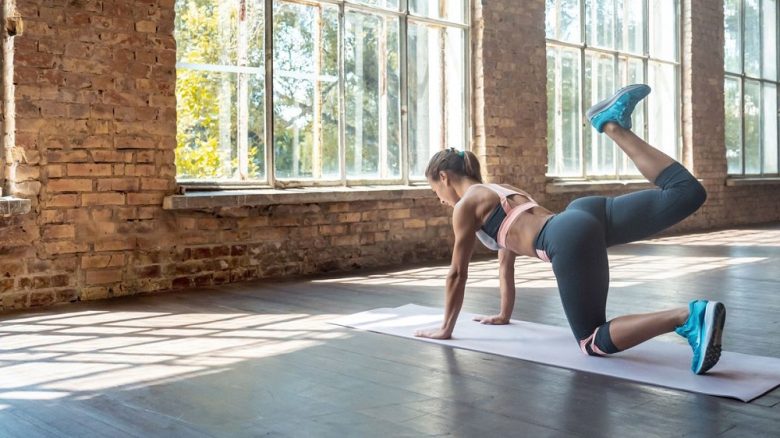
Developing functional physical strength, muscular balance, and athletic control does not require an expensive gym membership or rooms filled with complex weight machines. Calisthenics, the practice of using your own body mass as resistance, offers an effective framework for building a strong, resilient, and highly capable body. By mastering basic physical mechanics and manipulating leverage, gravity, and range of motion, you can challenge every major muscle group from virtually anywhere.
Bodyweight training offers unique physical benefits that isolated machine exercises rarely replicate. It demands spatial awareness, core stability, and joint articulation, forcing your body to work as an integrated unit. Understanding which foundational bodyweight exercises deliver the greatest total-body return enables you to build a streamlined, effective workout routine that builds strength, protects joints, and improves athletic performance.
Upper-Body Pushing Movements
Upper-body pushing movements target the chest, shoulders, triceps, and anterior core. These exercises build pressing power and shoulder joint stability through compound movement patterns.
The Standard Push-Up and Its Progressions
The push-up is a classic foundational movement that engages the chest, anterior deltoids, and triceps while requiring rigid core stabilization similar to a moving plank.
- Proper Execution: Place your hands slightly wider than shoulder-width apart, lock out your legs, and engage your glutes and abdomen to keep your body in a straight line from head to heels. Lower your chest until it sits just above the floor, keeping your elbows tucked at roughly a forty-five-degree angle from your torso, then drive through your palms to return to the starting position.
- Advancing the Movement: To increase resistance, elevate your feet on a chair or bench to perform decline push-ups, which shift more body weight onto your upper chest and shoulders. To target one side of the body intensely, utilize archer push-ups by extending one arm out to the side while lowering your weight over the opposite pressing arm.
Parallel Bar Dips
Dips are often referred to as the bodyweight equivalent of the heavy bench press. They load the chest, lower pectoral fibers, front shoulders, and triceps with a significant percentage of your total body mass.
- Proper Execution: Grip parallel bars, press yourself up until your arms are fully extended, and cross your ankles behind you. Lean your torso slightly forward to emphasize the chest, lower yourself under control until your upper arms are parallel with the floor, and press firmly back up to top extension.
- Key Considerations: Maintain shoulder blade depression throughout the movement, pulling your shoulders down away from your ears to keep joint stress off the rotators and on the working muscles.
Upper-Body Pulling Movements
Modern sedentary lifestyles often lead to weak upper back muscles and poor posture. Upper-body pulling exercises are essential for balancing pressing strength, strengthening the posterior chain, and maintaining healthy shoulder joints.
Pull-Ups and Chin-Ups
Pull-ups are the ultimate benchmark of relative upper-body pulling strength, targeting the latissimus dorsi, biceps, forearms, rhomboids, and upper back.
- Overhand Pull-Ups: Gripping a overhead bar with palms facing away slightly wider than shoulder-width, initiate the movement by pulling your shoulder blades down and back. Pull your chest toward the bar until your chin clears the top, then lower yourself smoothly back into a full dead hang.
- Underhand Chin-Ups: Reversing your grip so palms face toward you shifts a higher percentage of the workload onto the biceps and lower lats, making it a valuable variation for arm development and alternative joint loading.
Inverted Bodyweight Rows
Inverted rows target the mid-back, rear deltoids, and postural stabilizers while building horizontal pulling strength.
- Proper Execution: Position yourself under a sturdy horizontal bar set around waist height. Hang underneath with your arms fully extended, legs straight, and heels resting on the floor. Pull your chest up to meet the bar, squeezing your shoulder blades tightly together at the top before returning to the start position under control.
- Modifying Resistance: Bending your knees and placing your feet flat on the floor reduces the leverage, making the exercise easier for beginners. Conversely, elevating your feet on a box increases horizontal resistance.
Lower-Body Strength Builders
The legs contain the largest and most powerful muscle groups in the human body. Because your legs carry your daily mass constantly, bodyweight leg training requires single-leg unilateral variations to deliver adequate mechanical tension for strength gains.
Unilateral Bulgarian Split Squats
The Bulgarian split squat places nearly all your body mass onto a single leg, building exceptional quadricep, glute, and hamstring strength while improving balance and hip flexibility.
- Proper Execution: Stand a few feet in front of a chair or bench and rest the top of your rear foot on the elevated surface. Keep your chest upright, lower your hips toward the floor until your front thigh is parallel to the ground, and push firmly through your front heel to stand up.
- Benefits: Working unilaterally eliminates strength imbalances between legs and reduces compressive stress on your lower spine.
Single-Leg Romanian Deadlifts
Developing the posterior chain—specifically the hamstrings and glutes—is vital for hip power and lower-back health.
- Proper Execution: Stand on one foot with a soft bend in the knee. Hinge forward at your hips, extending your non-working leg straight back behind you to act as a counterbalance. Keep your back flat and core tight as you lower your torso until it is roughly parallel to the floor, then contract your glutes to pull yourself back to an upright position.
The Single-Leg Pistol Squat
For advanced exercisers, the pistol squat represents a peak level of strength, flexibility, and spatial balance. It requires executing a full deep single-leg squat while holding the non-working leg straight out in front of the body without letting it touch the ground.
Core and Trunk Stabilization Movements
A strong core acts as the central bridge transferring energy between your upper and lower body. True core strength is measured not by how many sit-ups you can complete, but by your ability to resist unwanted spinal rotation, extension, and flexing.
The Hollow Body Hold
Derived from gymnastics training, the hollow body hold creates intense anti-extension tension across the entire abdominal wall, training your core to protect the lower spine under load.
- Proper Execution: Lie flat on your back on the floor. Press your lower back completely flat against the ground, ensuring there is no space between your spine and the floor. Raise your head, shoulders, and straight legs a few inches off the ground, extending your arms straight overhead. Hold this hollowed shape while breathing smoothly.
The L-Sit Hold
The L-sit is a static isometric hold that builds strength across the abdominals, hip flexors, quads, triceps, and upper back simultaneously.
- Proper Execution: Sit on the floor or on dip bars with your hands planted beside your hips. Press down forcefully through your hands to lift your hips off the ground while extending both legs straight out in front of you parallel to the floor, forming an L shape with your body.
Designing a Balanced Total-Body Routine
To get the best results from bodyweight training, structure your weekly schedule to hit all primary movement patterns: pushing, pulling, single-leg pressing, hip hinging, and core stabilization.
Sample Total-Body Bodyweight Circuit
Perform the following sequence three times per week, resting one to two minutes between sets:
- Pull-Ups or Chin-Ups: 3 sets of 5 to 10 repetitions
- Bulgarian Split Squats: 3 sets of 8 to 12 repetitions per leg
- Parallel Bar Dips or Decline Push-Ups: 3 sets of 8 to 12 repetitions
- Single-Leg Romanian Deadlifts: 3 sets of 10 to 12 repetitions per leg
- Inverted Rows: 3 sets of 10 to 15 repetitions
- Hollow Body Hold: 3 sets of 20 to 40 second holds
Frequently Asked Questions
Can you build real muscle size using only bodyweight exercises?
Yes, you can build significant muscle size using bodyweight exercises provided you train with high effort, push sets close to muscular failure, and progress to harder exercise variations over time. Muscle tissue responds to mechanical tension and volume, regardless of whether that tension originates from an iron weight or your own body mass.
How do I make bodyweight exercises harder as I get stronger?
You can progress bodyweight exercises by changing your leverage, decreasing stability, increasing the movement range of motion, slowing down the repetition tempo, using single-leg or single-arm unilateral variations, or reducing the rest time between sets.
How many days a week should I do bodyweight workouts?
Training three to four days per week is ideal for most individuals. This frequency provides enough stimulus to trigger muscular adaptations while allowing sufficient recovery time for connective tissues and the central nervous system.
Are bodyweight exercises safe for people with joint pain?
Generally, bodyweight exercises allow your joints to move through natural kinematic paths, reducing the artificial joint angles often forced by rigid weight machines. However, proper technique is essential, and exercise variations should be modified to match your current joint mobility and comfort levels.
How long does it take to see results from a calisthenics routine?
With consistent training three times per week and proper nutrition, noticeable improvements in neuromuscular control, balance, and core stability typically appear within two to three weeks. Visible muscular definition and structural strength gains usually become apparent within six to eight weeks.
What should I do if I cannot complete a single full pull-up?
If you cannot do a pull-up yet, build foundational pulling strength by using resistance bands for assistance, performing negative pull-ups where you jump to the top and lower yourself down slowly, or focusing heavily on inverted bodyweight rows until your back strength develops.
Do I need to warm up before doing a bodyweight workout?
Yes, warming up is crucial before any bodyweight session. Spend five to ten minutes doing light dynamic movements, such as arm circles, leg swings, hip openers, and a few light sets of basic movements like incline push-ups, to raise your core body temperature and lubricate your joints before working hard.