

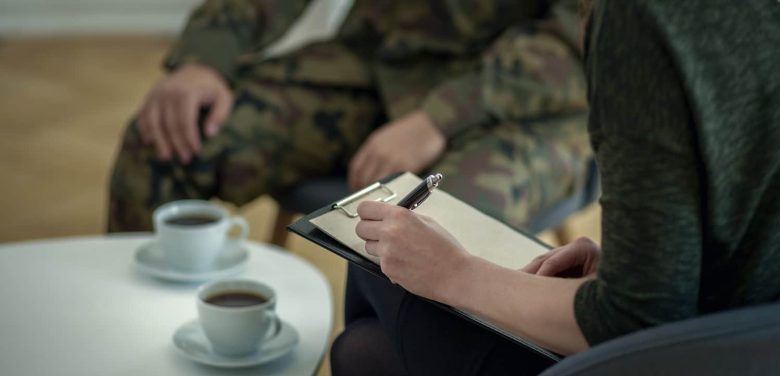
Service in the Australian Defence Force (ADF) presents a unique set of experiences and challenges. While building resilience and camaraderie, the demands of military life can also place considerable strain on the mental wellbeing of both current and former members. Recognizing and addressing these pressures is fundamental to supporting the health of our service personnel long after their active duty has concluded. The need for tailored mental health support that understands the military context is becoming increasingly clear.
The transition from military to civilian life, operational stress, and physical injuries can all contribute to mental health conditions. Understanding these specific pressures is the first step toward effective support. Professionals with experience in military culture can offer a level of understanding that makes a significant difference. This specialized knowledge also proves beneficial when dealing with processes related to veteran mental health claims, ensuring that former members receive the recognition and support they are entitled to for service-related conditions.
Providing a safe space for ADF members to discuss their experiences without fear of judgement is essential. The distinct nature of military service means that generic mental health approaches may not always be effective. Support systems that comprehend the operational environment, the structure of command, and the bonds formed within units can provide more relevant and helpful guidance. This targeted approach helps individuals develop coping strategies that are practical for their specific circumstances.
Many former ADF members find that their experiences in service shape their perspective for years to come. Conditions such as post-traumatic stress disorder (PTSD), anxiety, and depression can manifest differently in those with a military background. For example, hypervigilance learned in a combat zone may persist in civilian life, affecting daily interactions and personal relationships. Specialized services are equipped to identify these specific presentations and offer effective, evidence-based treatments.
Support networks also play a powerful role in recovery and maintenance of good mental health. Connecting with peers who have similar experiences can reduce feelings of isolation that some veterans face. Group therapy or community programmes run by professionals familiar with the ADF can foster a sense of belonging and shared understanding. These connections remind individuals that they are not alone in their struggles.
Ultimately, the goal of specialized mental health services is to empower ADF members and veterans to lead fulfilling lives. By acknowledging the distinct aspects of military service and offering informed, compassionate care, we can better support the men and women who have served our country. Prioritising access to this kind of tailored support is a vital component of our national commitment to those who have worn the uniform.